


 Latest

 Pregnancy Due Date Calculator
 Chinese Gender Predictor
 Ovulation Calculator
 IVF Due Date Calculator
Pelvic Inflammatory Disease (PID)
Pelvic inflammatory disease (PID) is an infection that affects the uterus, fallopian tubes, ovaries, surrounding tissues, the peritoneum lining them, and the pelvis.
It occurs due to an infection that spreads from the vagina and cervix to the uterus and pelvis.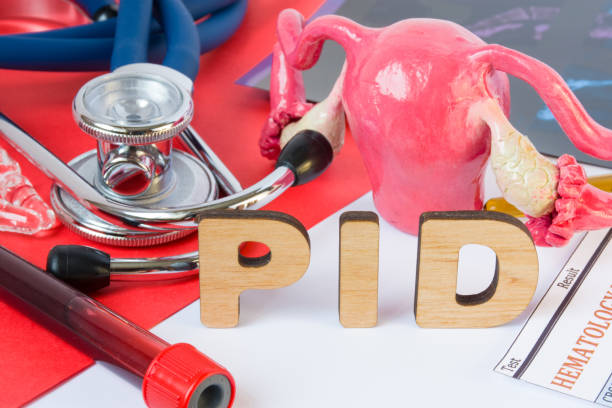
In severe cases, it can lead to the formation of pus in the pelvis.
Often, the patient may not experience any symptoms. However, if symptoms and signs are present, they may include lower abdominal pain, vaginal discharge, fever, painful urination, painful intercourse, and irregular menstrual cycles.
If left untreated, pelvic inflammatory disease (PID) can lead to complications such as infertility, ectopic pregnancy, and chronic pelvic inflammation.
Symptoms and Signs of Pelvic Inflammatory Disease (PID)
If symptoms are present, they may include:
*Lower abdominal and pelvic pain
*Thick vaginal discharge with an unpleasant odor
*Menstrual irregularities
*Pain during intercourse
*Lower back pain
*Fever, fatigue, diarrhea, and nausea
*Pain and difficulty urinating
Other complications include endometritis, salpingitis, tubal and ovarian abscess, pelvic peritonitis, appendicitis, and perihepatitis.
Causes of Pelvic Inflammation:
1. Bacteria such as gonorrhea or chlamydia.
2. Unsafe sexual practices, which increase the likelihood of contracting sexually transmitted infections.
3. Certain types of contraceptives.
4. Bacteria may enter as a result of childbirth, abortion, or an endometrial biopsy.
5. It may be due to the spread of infection from a nearby area, such as appendicitis.
6. It may be due to the spread of infection via the bloodstream from other parts of the body.
7. Douching may disrupt the balance of naturally occurring microorganisms in the vagina.
Diagnosis of Pelvic Inflammatory Disease (PID):
1. Clinical examination and review of medical and sexual history.
2. Laparoscopy, including viral culture, intra-abdominal bacterial culture, and biopsy.
Laparoscopy can reveal violin tendon adhesions, a characteristic feature of Fitz-Hugh-Curtis syndrome.
3. Blood tests such as erythrocyte sedimentation rate (ESR) and C-reactive protein (CRP) levels.
4. Ultrasound, CT scan, and MRI.
5. Vaginal and cervical swabs. If the swab result is negative, it means you are unlikely to have an infection, but it does not mean you are completely free of infection.
The patient may be asked to undergo some additional tests such as:
Urinalysis
HIV testing
Pregnancy hormone testing, as some pregnancy symptoms may resemble those of pelvic inflammatory disease.
Prevention of Pelvic Inflammatory Disease (PID):
1. Use condoms.
2. If symptoms of PID appear, seek medical advice immediately.
3. Using hormonal birth control pills reduces the likelihood of developing PID because they thicken the cervical mucus plug, thus preventing bacteria from ascending from the lower reproductive tract.
4. The patient should seek medical advice if their sexual partner has a sexually transmitted infection (STI) or if they themselves are infected.
5. Obtain a history of any STIs the patient's sexual partner has and seek treatment for them.
6- Avoid actions that increase vaginal inflammation, such as having sex with more than one sexual partner, as well as intentional abortion, spontaneous abortion, or certain procedures such as placing a stitch on the cervix during pregnancy.
Treatment of pelvic inflammatory disease
1- Antibiotics: We start by giving an antibiotic injection followed by two weeks of oral antibiotics. Antibiotics should be started immediately upon diagnosis, and it is not permissible to wait for the results of culture tests to start treatment for fear of the patient's condition deteriorating rapidly. The type of antibiotic is modified (if necessary) after the culture test results appear.
2- Painkillers to relieve pain and irritation caused by inflammation
3- Opening the abdomen to drain the abscess and take a sample of pus and secretions for culture and identification of the causative bacteria, and thus treat it accordingly. However, the procedure to open the tubes that were blocked by this inflammation is not performed except after treating the acute inflammation or the acute focus of a chronic inflammation.
If you do not feel better or your condition worsens within 27 to 84 hours, you should see your doctor again.
It is advised to avoid sexual contact during the treatment period.
If the patient is pregnant, it is best to admit her to the hospital and prescribe an antibiotic that is safe for the fetus.
Complications of Pelvic Inflammatory Disease (PID):
1. PID causes scarring of the reproductive organs, leading to chronic pelvic pain, infertility, and ectopic pregnancy.
2. In some cases, the infection can spread to the peritoneal serosa, which can cause inflammation and scarring of the liver. This is known as Fitzhugh-Curtis syndrome.
When should a patient be hospitalized for pelvic inflammatory disease (PID)?
**If the diagnosis is unclear
**If the patient's condition is very serious
**If the patient is pregnant
**If there is no improvement within 27 to 84 hours of starting antibiotic treatment
**If the patient is unable to take antibiotic tablets
**If there is suspicion of pus or an abscess
How is a patient with pelvic inflammatory disease (PID) treated while having an intrauterine device (IUD)?
The IUD is left in place. If there is no improvement within 48 hours of starting treatment, the IUD will need to be removed. Emergency contraception may be necessary after IUD removal if intercourse occurs within the seven days prior to removal.
Should the sexual partner be tested?
If pelvic inflammatory disease is caused by a sexually transmitted infection, anyone the patient has had sexual relations with in the previous 6 months should be tested.
How is follow-up done after treatment for pelvic inflammatory disease?
**If there is no improvement, follow-up will be after 3 days.
**If the patient feels better, follow-up will be at the clinic after two weeks.
A cervical and vaginal swab may be taken after the treatment is completed to confirm the patient's response to the treatment.
What are the long-term effects of pelvic inflammatory disease (PID)?
** Ectopic pregnancy
** Infertility
** Abscess/pus in the fallopian tube or ovary
** Formation of adhesions leading to chronic lower abdominal pain
Dr. Najeeb Layyous F.R.C.O.G
Consultant in Obstetrics, Gynecology, and Infertility
